
Azarias, F. R., Almeida, G. H. D. R., de Melo, L. F., Rici, R. E. G., & Maria, D. A. (2025). The Journey of the Default Mode Network: Development, Function, and Impact on Mental Health. Biology, 14(4), 395. https://doi.org/10.3390/biology14040395
This review explains our current understanding of this central brain network in clear and simple terms. If you want to learn and practice mindfulness there is no need to study neuroscience, however many mindfulness practitioners (especially mindfulness teachers) regularly read the scientific literature. (A great resource is the American Mindfulness Research Association (goamra.org) Current research into the neuroscience of mindfulness is a fascinating look into the human mind and the nature of experience and may produce greater insights into how mindfulness works and how as teachers and practitioners we can advance the “state of the art”. I find however, that my knowledge of brain anatomy and physiology is frequently inadequate to fully appreciate the content of research papers. This paper can be a good “goto”.
Part 1. Introduction, first describes the Default Mode Network (DMN) and reviews the history of our knowledge of the DMN since it’s discovery in 1997. Next the authors explain that “… several theories have emerged to elucidate its purpose …” and briefly explain the ten major theories. The authors continue “… While there exist multiple theories regarding the function of the DMN, some of these theories share common characteristics. Similarly, various research avenues explore the DMN .” An accompanying table describes six main areas of investigation about the DMN.
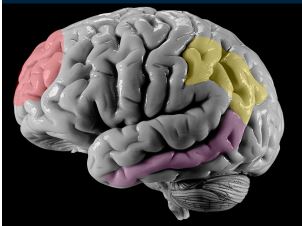
Part 2. Describes the neuroanatomy of the DMN and the associated brain networks in clear terms which I believe most readers will appreciate. An accompanying full color table shows the neuroanatomy of the DMN. (See the picture on the left).
Part 3. Describes how the DMN “… is interconnected with other brain networks and shows dynamic activity patterns at rest and during specific tasks.” A description of the interactions of the Attention Networks, the Limbic System, and the Salience Network follows.
The following six sections address:
- DMN Investigation Tools
- DMN maturation during childhood
- DMN and Social Relations
- DMN structural and functional changes across the lifespan
- Medical and Psychological Diagnoses Associated with DMN
- and Neuroplasticity and DMN.
I highly recommend this review for ongoing reference. I’ve saved a shortcut on my desktop. A full text can be downloaded:https://doi.org/10.3390/biology14040395